
Learning designer 

Create impactful learning experiences that change behaviour

What is a Learning Designer?

A Learning Designer creates training that’s clear, engaging, and built for action. They figure out what people need to learn, how they’ll learn it best, and how to deliver it so it sticks.

It’s part strategy, part content, part structure – and all about making learning useful, usable and built for real-world results.

What do Learning Designers do?

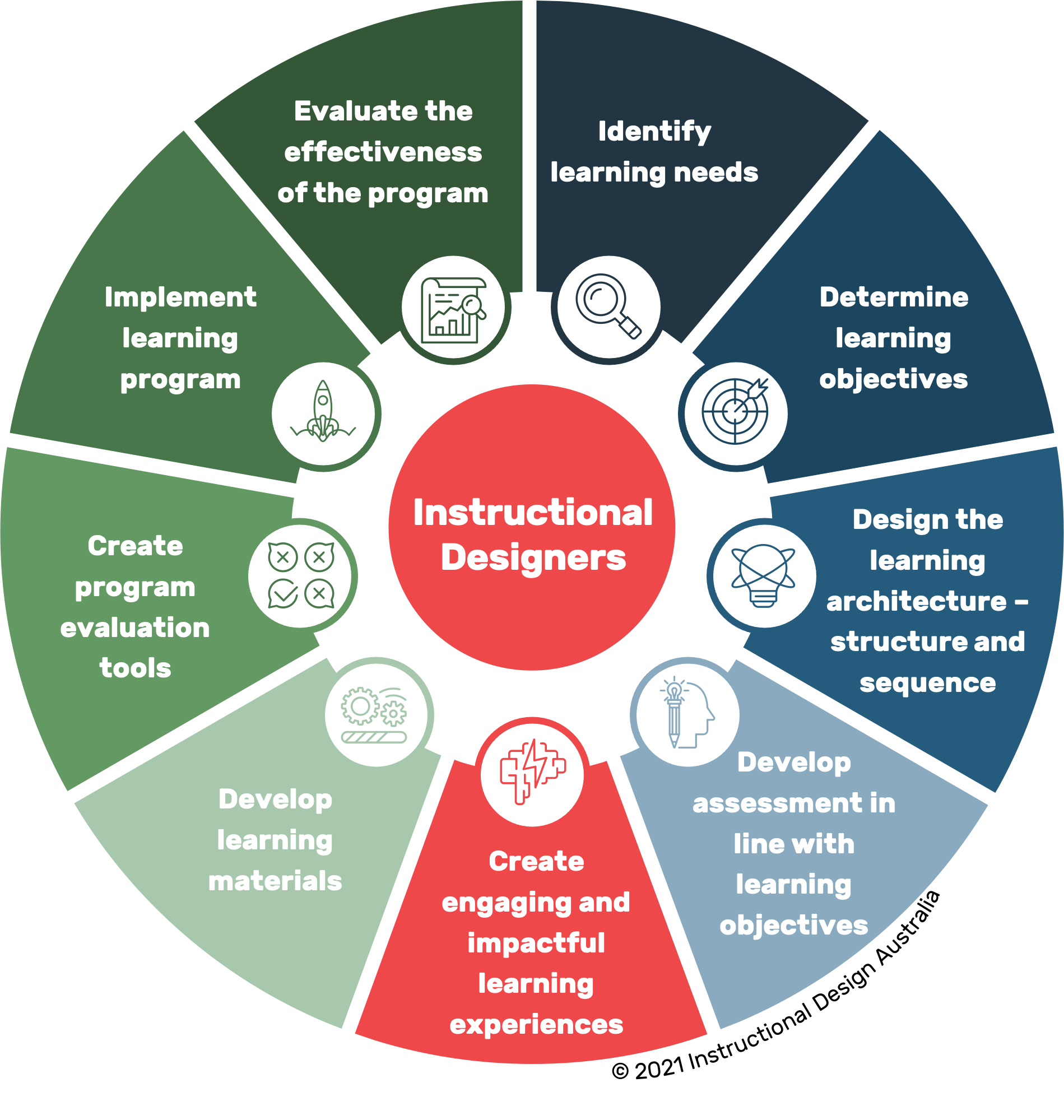
The short answer? A lot. Here’s what most Learning Designers are responsible for:

  • Analysing what people need to know, do or change
  • Designing learning experiences that help them get there
  • Choosing delivery methods that suit the audience (eLearning, blended, face-to-face)
  • Creating learning materials like workbooks, facilitator guides, and presentations
  • Writing and mapping assessments (especially for accredited training)
  • Building digital courses in tools like Rise, Storyline, or Chameleon Creator
  • Designing evaluation strategies to measure learning impact
  • Creating videos, infographics, or other supporting visuals
  • Supporting LMS setup and content structure
  • Training facilitators and collecting feedback for continuous improvement

And in many roles, they’ll also be consulting with stakeholders, solving content problems, and juggling multiple projects at once. It’s a job that combines creativity, strategy and communication – no two days look the same.

What are other names for Learning Designers?

Learning Designer is a common title, but you’ll see plenty of variations depending on the sector or team. Learning Designers can also be referred to as:

  • Instructional Designers
  • Learning Developers
  • Education Developers
  • Learning Creators Learning
  • Strategists Learning and Design Consultants
  • Training and Design Consultants
  • Course Designers
  • Course Developers
  • Course Creators
  • Instructional Design Specialists
  • Learning and Design Specialists
  • Training Design Specialists
  • Course Design Specialists
  • Training Designers
  • Training Creators
  • Training Developers

How can I become a Learning Designer?

Unlike some industries, Learning Designers don’t necessarily need a qualification or license to do their job. However, in order to develop effective learning programs, they should have a strong understanding of the key elements and theory that underpin the learning design process – including how to conduct a learning needs analysis (LNA), adult learning principles and assessment strategies.

To become a Learning Designer, you’ll need to know how to:

  • Analyse learning needs and identify gaps
  • Apply adult learning principles
  • Design for digital, face-to-face and blended delivery
  • Write clear learning outcomes and map to Bloom’s taxonomy
  • Structure and storyboard content
  • Design assessments and evaluation strategies
  • Use tools like Rise, Storyline or Chameleon Creator
  • Communicate effectively with SMEs, stakeholders and learners

Our Professional Certificate in Instructional Design is built to help you build those skills. It’s self-paced, comes with coaching, and includes a full toolkit of templates and resources.

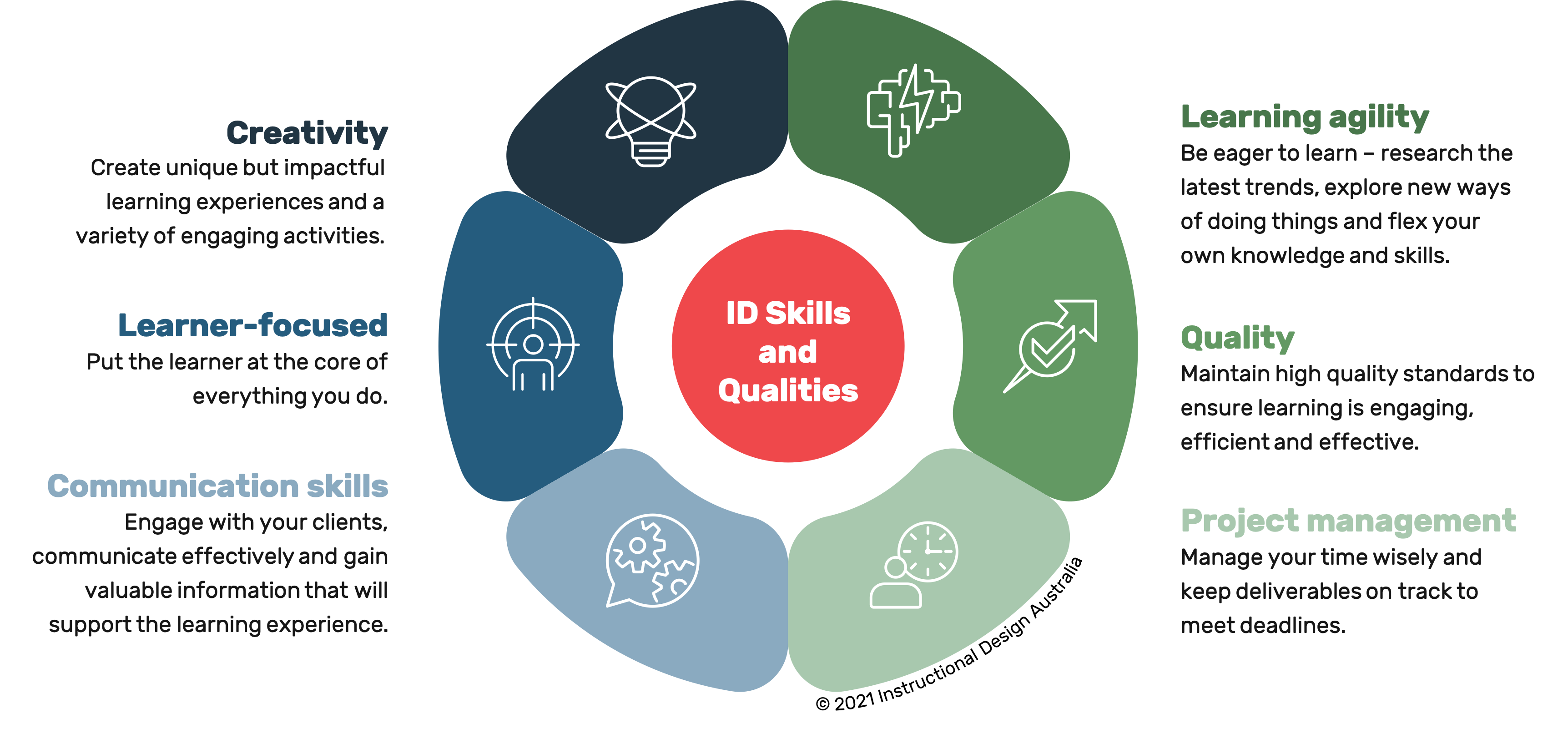
What skills and qualities do Learning Designers need?

Great Learning Designers blend creativity with strategy. It’s not just about knowing how people learn, it’s about designing experiences that are engaging, efficient, and make a lasting impact. From managing projects to communicating with stakeholders and staying learner-focused, Learning Designers bring a whole mix of skills to the table.

Explore the key skills and qualities below.

Do teachers make great Learning Designers?

Absolutely. Teachers bring a ton of transferable skills to learning design – structured thinking, content planning, learner engagement, and the ability to explain things clearly. They’re used to adapting for different learners, managing time and attention, and making complex ideas easier to understand.

All of that makes for a strong foundation.

But corporate learning is a different environment. The goals are different. The audiences are broader, and typically older. And the formats – digital, blended, self-paced – require different approaches. To make a confident shift, you’ll need to build skills in:

Our Professional Certificate in Instructional Design is designed to help you do exactly that. You’ll get the frameworks, tools and coaching to move from the classroom to corporate, confidently.

Need help designing great learning?

Let's connect!

What do we look for when hiring Learning Designers?

We care about what you can do. When we hire Learning Designers, we look for:

  • A clear, strategic mindset
  • Curiosity
  • A learner-focused approach
  • Clean, user-friendly visual and instructional design
  • Strong writing and editing skills
  • Experience designing across formats (digital, F2F, blended)
  • Confidence using tools like Rise, Storyline or Chameleon Creator
  • Great communication with SMEs and clients
  • A love of learning and a willingness to grow

Most importantly, we want to see how you think. A strong portfolio that shows your process, your decisions, and your design work is the best way to show us what you can do. Real examples speak louder than resumes.

Want to work with us? Contact us or build your skills through one of our courses.

What tools do Learning Designers use?

Learning Designers work across a range of tools, depending on the project and format. These often include:

  • Authoring tools like Rise 360, Articulate Storyline, and Chameleon Creator
  • Visual design tools like Canva, PowerPoint, Figma or Adobe Illustrator
  • Collaboration and planning tools like Miro, Google Docs, and Microsoft Teams
  • Facilitation and engagement tools like Mentimeter and Kahoot
  • Video and animation tools like Vyond or Camtasia
  • Learning Management Systems (LMS) for content delivery and tracking like LearnWorlds or TalentLMS

Want to build confidence with the tools? Our Graphic Design Basics and Making Rise Sing short courses are great places to start.

Can you help my L&D team build lerning design skills?

Yes. We work with teams of all sizes to upskill internal capability through:

  • Professional Certificate in Instructional Design – Perfect for individuals or small teams (up to 4 people). Self-paced, practical, and includes coaching and a full toolkit to apply what you learn right away.
  • Instructional Design for Teams – A guided team-based learning experience including coaching, toolkits, session plans, team huddles and a launch workshop. Ideal for teams wanting a shared approach and consistent outputs.
  • Instructional Design for Your Organisation – Fully customised to your brand, content and goals. Includes a tailored toolkit, coaching, and strategic sessions to align your team’s approach.

  • Learning strategy, templates, LMS support and content design (contact us to discuss)

If your team builds learning in-house, we’ll help you do it smarter, faster and better.

Need help deciding which is right for your team? Get in touch.

Can Learning Designers create accredited training?

Some do, but it takes more than strong design skills.

Designing accredited training means understanding AQTF requirements, aligning assessments to units of competency, and making sure everything is audit-ready and practical to deliver.

We’ve designed accredited qualifications, units and mapped assessments for a wide range of industries – always with clarity, engagement and workplace relevance in mind.

Do Learning Designers set up Learning Management Systems (LMS)?

Not all do, but it’s a huge help if they understand how LMSs work. From SCORM and xAPI to user groups and reporting, a good grasp of platforms can save time, reduce admin and improve delivery.

We’ve supported dozens of clients with LMS setup, content migration, SCORM packaging and platform guidance across systems like TalentLMS, LearnWorlds, Kajabi and Moodle.

What’s the difference between instructional design and graphic design?

Instructional design is about making learning clear and usable. Graphic design helps make it visual, digestible and engaging. The two go hand in hand.

We don’t expect all Learning Designers to be professional designers, but understanding visual principles makes your work cleaner and more effective. That’s why we created Graphic Design Basics for Instructional Designers – a short course to boost your design confidence fast.

Do Learning Designers work on learning strategy too?

The best ones do. Strong design starts with smart strategy—defining learning goals, understanding the audience, and choosing the right approach.

We work with organisations to build learning strategies that align with business outcomes, learner needs, and delivery goals. From capability uplift to system rollouts, we design learning that drives action.

Let's connect!

Get a quote from us today